Helical Pier Foundation Repair Cost Per Pile Australia
By the KitchenBath Guides Editorial Team — reviewed for accuracy. Last updated October 2026. This article is for informational purposes and reflects typical market pricing; consult licensed structural engineers and contractors for site-specific assessments.
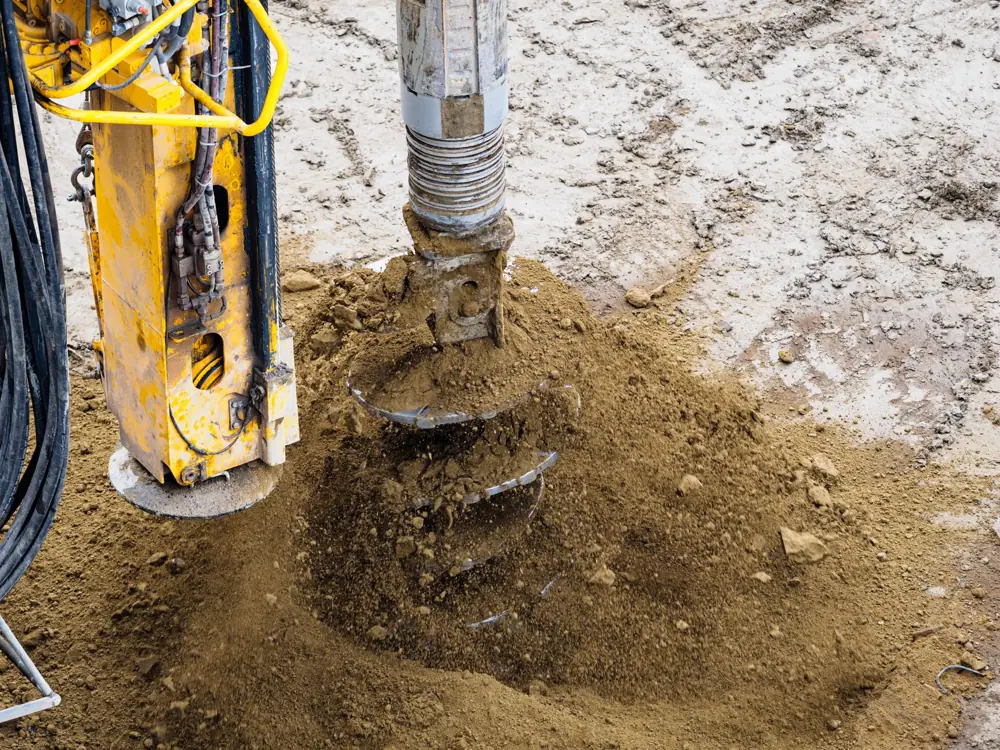
Helical piers price the engineered end of Australian foundation repair: steel screw-piles torqued to verified capacity, the torque data documenting every installation. The per-pile unit economics are definable at AUD rates.
This guide prices helical pier foundation repair in Australia for 2026: per-pile rates, the project structures the counts build into, and the engineering-and-soil context Australian sites carry.
Helical Pier Foundation Repair Cost Per Pile Australia — At a Glance for AU
Helical pier repair in Australia runs A$1,100–A$2,750 per pile installed in 2026 — A$900–$1,600 for standard residential piles and A$1,400–$2,200 for deeper or higher-capacity installations. Typical residential projects (8–16 piles) run A$8,000–$28,000 with engineering, and reactive-clay sites price the depth lines that torque data verifies. This is a realistic planning number for Australia in 2026, not a marketing low-ball.
| Line Item | Typical Range (AUD) | What Drives It |
|---|---|---|
| Standard residential pile (installed) | A$1,100–A$2,000 | A$ — supply and install to torque |
| Deep/high-capacity pile | A$1,750–A$2,750 | A$ — extension sections and load class |
| Engineering and soil context (project) | A$1,900–A$4,400 | A$ — the torque specifications build against |
| Typical 12-pile project | A$15,000–A$30,000 | A$ — by depth and access |
| Reactive-clay depth premium | A$250–A$750 | A$ per pile — the H-class soil lines |
Understanding Helical Pier Foundation Repair Cost Per Pile Australia
The Australian helical market prices torque-verified engineering: each pile screws to the depth its torque reading certifies, the installation data becoming the engineering documentation. Standard residential piles at A$900–$1,600 carry the common underpinning scope; deeper reactive-clay installations (the Melbourne and Adelaide specialty) price their extension sections at A$1,400–$2,200.
The project structure: engineering assessment with soil context (A$1,500–$3,500), the pile program specified by load and depth, and the installation running 1–2 days for residential counts. Reactive-clay sites — the Australian H-and-E-class soils that move seasonally — price the depth premiums that stable-sand sites skip; the torque data documents which the site demanded.
What Moves the Price Up or Down
Per-pile pricing moves on depth-to-competent-bearing, load class and access. The engineering context is project-constant.
| Factor | Cost Impact | Detail |
|---|---|---|
| Depth to bearing strata | 200 | 600 |
| Load class (residential to heavy) | 150 | 400 |
| Reactive-clay site class | 10 | 30 |
| Access (internal vs external) | 100 | 250 |
Pile Classes and Project Economics
The market prices honest classes:
| Option | Description | Best For | Cost Level |
|---|---|---|---|
| Standard residential program | 8–12 piles at standard depth | The common underpinning scope | A$8,000–$16,000 |
| Reactive-clay program | Deeper extensions on H-class sites | The Melbourne/Adelaide specialty | A$14,000–$24,000 |
| High-load commercial class | Heavier shafts, engineered specs | The commercial-tier work | A$2,000–$3,500/pile |
The pile class prices the engineering; the site class prices the depth — both documented by torque.
Three Realistic Project Scenarios
The standard residential program — A$11,900–A$21,250
A settling extension: 10 piles at standard depth.
- Engineering and soil context — A$2,250–A$3,500
- 10 standard piles installed — A$11,250–A$20,000
Why this matters: the standard program delivers torque-verified underpinning — the common scope the data documents.
The reactive-clay project — A$20,000–A$32,500
An H-class site: 12 piles with depth extensions.
- Engineering and soil context — A$2,500–A$4,400
- 12 deep piles installed — A$17,500–A$30,000
Why this matters: reactive clay prices its depth — the extensions the seasonal movement demanded, verified by torque.
The staged remediation — A$13,750–A$25,000
A phased program: critical zones first, monitoring between.
- Phase 1: 6 critical piles — A$7,500–A$13,750
- Phase 2 (post-monitoring): 4 piles — A$5,000–A$10,000
Why this matters: the staged program prices the monitoring discipline — engineering that verifies between phases.
Pile quotes compare per-unit against identical depth and class — the torque data makes both comparable.
Sample Budget Breakdown
The table below shows how a typical mid-range budget for helical pier foundation repair cost per pile australia distributes across materials, labor and compliance in Australia. Adjust the percentages to your own scope before using it as a savings target.
| Category | Estimated Amount | Explanation | Optimization Tip |
|---|---|---|---|
| Engineering and soil context | A$1,900–A$4,400 | the specification core | The document the torque verifies against |
| Pile program by depth and class | A$10,000–A$30,000 | the installation core | Per-pile economics above |
| Monitoring and documentation | A$380–A$1,000 | the verification layer | The readings that prove the program held |
Every figure above is an indicative 2026 market range. Final quotes move with site conditions, contractor availability and the exact specification you lock in.
From Quote to Completion: the Typical Timeline
Most helical pier foundation repair cost per pile australia projects follow the same five-stage rhythm. Knowing the calendar before you sign prevents the two classic frustrations — feeling rushed into a deposit, and being surprised by a mid-project gap while materials arrive.
- Repair: 2-5 days typical — Epoxy injections in hours; pier installations in days per zone — the access (interior vs exterior) sets the disruption scale.
- Month 1-12: monitoring — Crack monitors and elevation readings verify the repair held — the warranty documentation and the peace of mind both live here.
- Week 0: engineer assessment — The structural engineer evaluates the movement, identifies causes (soil, drainage, tree roots) and specifies repair methods — the document all quotes build against.
- Week 1-3: three method-matched quotes — Contractors quote against the engineer specification; pier counts and access plans differ where interpretations do.
- Week 3-4: permits where required — Structural repair permits with the engineering submission — municipal processing runs 1-2 weeks on residential scope.
Smart Ways to Control the Budget
Cost control on helical pier foundation repair cost per pile australia is mostly about scope discipline and timing. These are the strategies that consistently deliver the largest savings:
Repair early at the symptom stage
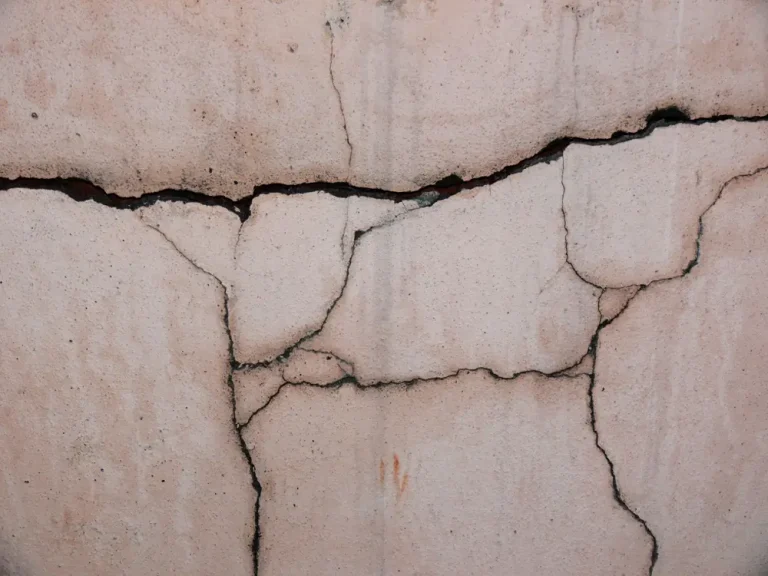
Cracks at 1-4mm repair for epoxy and monitoring money; the same cracks at 8mm+ price at excavation and pier money — foundation damage compounds.
Advantages:
- Directly reduces the controllable parts of the quote
- No impact on quality or compliance when scoped correctly
Disadvantages:
- Spending on a crack that might have stayed cosmetic feels wrong until the quote comparison arrives.
- Requires planning lead-time you may not have on urgent timelines
Ask about pier count justification
Each pier runs hundreds to over a thousand; the count difference between quotes is often interpretation, not engineering — make bidders defend their numbers against the report.
Advantages:
- Directly reduces the controllable parts of the quote
- No impact on quality or compliance when scoped correctly
Disadvantages:
- Takes a confrontational read of friendly salespeople selling warranty peace.
- Requires planning lead-time you may not have on urgent timelines
Time repairs for dry season access
Excavation in saturated clay prices higher (shoring, delays, mud management); the dry-month calendar quotes cleaner on the same scope.
Advantages:
- Directly reduces the controllable parts of the quote
- No impact on quality or compliance when scoped correctly
Disadvantages:
- Foundation problems do not schedule themselves around weather patience.
- Requires planning lead-time you may not have on urgent timelines
Keep the warranty transferable and documented
Transferable warranties protect resale value; the paperwork discipline at signing is worth thousands at the inspection.
Advantages:
- Directly reduces the controllable parts of the quote
- No impact on quality or compliance when scoped correctly
Disadvantages:
- Requires reading the exclusion list that sales conversations skip.
- Requires planning lead-time you may not have on urgent timelines
Permits, Rules and Safety
Structural underpinning permits through the Australian jurisdictions with engineering documentation; the torque records attach to the close-out. The resale conversation reads the data the installation generated — the documentation the engineered method delivers by design.
- Unpermitted foundation work surfaces at resale as the inspection finding that reprices the house — the permit cost is cheap against that negotiation.
- Structural repairs (piers, underpinning, wall stabilization) require permits with engineering documentation in most jurisdictions — the inspection chain protects the resale the repair serves.
- Engineering letters are the submission core: the report, the method, and the spec the permit reviews against — contractors coordinate, engineers sign.
Maintenance and Long-Term Ownership Costs
The project price is only the first line of the budget. These recurring items are what owners in Australia actually spend money on after the crews leave:
| Task | Frequency | Typical Cost | Why It Matters |
|---|---|---|---|
| Tree and root management | As needed | $200-600 per event | Roots seek foundation moisture in dry seasons — the management that prevents the intrusion pricing. |
| Exterior grade and drainage inspection | Yearly | DIY (free) | Water is the force that moves foundations — keeping it away from the structure is the maintenance that matters most. |
| Crack monitoring | Semi-annual | DIY ($10-30 monitors) | Documented crack movement catches problems at repairable scale — the monitor strip that prices peace of mind in dollars. |
| Gutter and downspout discipline | Quarterly | DIY (free) | Managed roof water is foundation protection — the downspout extensions that move water 6+ feet from walls. |
Post-program maintenance is the seasonal discipline reactive sites carry: moisture management around footings, the monitoring readings that document stability through wet-dry cycles, and the drainage the clay movement follows. The torque data documented the install; the monitoring documents the hold.
Frequently Asked Questions
How much do helical piers cost in Australia?
A$900–$2,200 per pile installed in 2026 — standard residential at A$900–$1,600, deeper and reactive-clay installations at A$1,400–$2,200; typical programs running A$8,000–$28,000 with engineering.
Why choose helical piers over concrete underpinning?
Verification and speed: torque data documents every pile’s capacity, installations run days not weeks, and no cure-time waits — the engineered method where soil data serves it.
How deep do helical piers go in reactive clay?
To the depth the torque certifies — commonly 3–8 metres through reactive surface clays to stable strata; the engineering assessment and the installation data both document where that depth fell.
Are helical piers suitable for Australian homes?
Yes — the engineered standard for residential underpinning on the reactive soils Melbourne, Adelaide and Sydney’s west carry; the torque verification the concrete alternatives do not deliver.
Summary
Planning helical pier foundation repair cost per pile australia in Australia starts with an honest range — A$1,100–A$2,750 for the scenarios most households actually install — then works backwards through torque-verified engineering economics.
Australian helical pricing buys documented certainty: every pile torqued to capacity, every depth the data certifies, the engineering verified by installation itself. Price the depth the soil demands, read the torque records, and the reactive-clay movement has its engineered answer. Collect at least three itemised quotes, confirm the permit path before signing, and hold a 10–15% contingency for site surprises. Those three habits protect more budget than any product choice.
Related Guides
- Slab Jacking Foundation Leveling Cost New Zealand Guide
- Foundation Repair Insurance Coverage What Is Covered USA
- Foundation Inspection Cost Structural Engineer Report Texas
- Foundation Settlement Repair Cost Early Warning Signs UK
- Foundation Crack Epoxy Injection Cost Per Crack Florida
- Foundation Repair Financing Monthly Payment Options USA